This Earth Day, Civil Society marches to Parliament to reject “False Solutions” to the Climate Crisis and Demand Urgent Action on a Just Transition
- Published:
More than 500 people joined the mass march to Parliament in Cape Town this Earth Day. They marched under the banner of “No Faith in False Solutions”, calling for urgent action on energy, climate, and food justice in South Africa. They also called for the rejection of all harmful “false solutions” to climate change and socio-environmental-economic problems that threaten people and the planet. This Earth Day is themed “Our Power, Our Planet”.
The Southern African Faith Communities’ Environment Institute (SAFCEI), Fossil Free South Africa, Africa Climate Alliance, The Green Connection, Natural Justice, South Durban Community Environmental Alliance, Project 90 by 2030, Extinction Rebellion Cape Town convened the mass march, joined by Green Anglicans, Greenpeace Africa, Beauty without Cruelty, and many others. Together, these voices from across the country demand a just and inclusive transition.
At Parliament, the organisers handed over a joint memorandum calling for people-centred and accountable climate solutions.
Key demands include rejecting nuclear expansion, oil and gas development, as well as so-called “clean coal,” and carbon capture and storage. In South Africa, many of these false solutions are being pushed forward by government and business, without considering the implications for the economy and people, or whether they are even effective measures to reduce our impact on the climate. The memorandum also raised concerns about industrial agriculture and factory farming as harmful and unsustainable practices for people and planet.
Civil society is calling for accelerated and decentralised renewable energy, the implementation of a truly inclusive Just Transition Framework, and stronger transparency and accountability in climate governance.
Ntombizodidi Mapapu, SAFCEI’s Senior Energy Coordinator, said “This Mass March was a collective expression of civil society saying No to false solutions to the climate crisis including oil, gas, and nuclear energy and demanding real, inclusive solutions that are sustainable and won’t make electricity more expensive. We are committed to a just transition that is affordable, accessible, and leaves no one behind.”
Speakers highlighted how low-income and vulnerable communities, who face rising energy costs, food insecurity, and environmental harm, bear a disproportionate burden of the climate crisis.
Lisa Makuala, The Green Connection's Advocacy Officer, said “37% of South Africans live below the poverty line and it remains unfair for vulnerable communities to have to choose between buying bread and affording electricity due to policy constraints - while the Middle East war has also made prices soar. This should be a wake-up call for good governance and for South Africa to invest in alternative energy solutions that will focus on improving energy access and economic development, not exploitation of fossil fuels that remain volatile to global markets.”
Gabriel Klaasen, Policy and Advocacy Coordinator, Project 90 by 2030, said, "With everything going on in the world, we see that our leaders aren't making the necessary changes to benefit people and the planet, but rather still acting in ways that put profit and personal interests first. It is beyond time that we see change, that we see an end to the false solutions to the various injustices that we face, and that we see justice for not only people today, but for the planet, and future generations to come."
Gabriel Manyangaze, SAFCEI’s Food and Climate Justice Manager, said “ In food systems, false solutions like pesticides leave a trail of destruction including poisoning staple foods, and no one will be safe. We call upon the policy makers to protect our food system and reject harmful chemicals and embrace agroecology; the time to do that is now.”
Civil society groups stressed that a transition away from extractive industries is both necessary and achievable, with renewable energy offering a pathway to greater equity, affordability, and resilience.
“We no longer need these harmful 'solutions', and the transition away from these is not going to be easy, but we can do it. We can build a higher level of prosperity than we currently have from these extractive and harmful 'solutions' – that provide limited benefits to everyday people but extraordinary profits to a few," said David Le Page, Fossil Free South Africa Director.
Amelia Heyns, Programme Manager: Standing with Communities, Natural Justice, said “A just energy transition away from fossil fuels demands more than ambition - it demands accountability. This Earth Day, “Our Power, Our Planet” calls on all of us to act collectively to protect our environment. As we move towards cleaner energy, we cannot repeat the injustices of the past. Human rights must be at the centre of the transition, ensuring that communities are supported and empowered to shape their own futures. A future that is cleaner, fairer and more inclusive.”
Sherelee Odayar, Campaign Lead - Oil and Gas, Greenpeace Africa, said, “Greenpeace Africa stands in solidarity with the No Faith in False Solutions Mass March, calling on our government to put people and the planet first. We are demanding a future that protects the Earth and the life it sustains. Oil, gas, and nuclear energy will deepen destruction, accelerate the climate crisis, and put communities at risk. The time is now to break from false promises and commit to real, just solutions like renewable energy that serve both people and the planet.”
Chad Cupido, Executive Officer, Beauty Without Cruelty, said “We stand alongside the broad coalition of organisations here today to say clearly that there can be no just transition without accountability. Industrial agriculture, particularly factory animal farming, sits at the intersection of environmental harm, ethical concern, and public health risk. This moment calls for transparency, corporate accountability, and a shift toward systems that respect animals, people, and the planet.”
Judy Scott-Goldman, spokesperson for Extinction Rebellion Cape Town, said “As countries gather to transition away from fossil fuels on 24 April at the First Conference on Transitioning Away from Fossil Fuels, we regret that South Africa will not be represented. The science is clear—continuing to expand fossil fuels will devastate people and the planet. We urge the government to listen to global calls for action, not industry interests, and commit to a just transition. Tell the truth. Act now. Decide together.”
Community voices from coastal areas underscored the urgency of protecting livelihoods.
Community representative Wiedaad Davids, Chairperson of the West Coast Faith Solutions Committee in Saldanha, said “I marched today because I refuse false solutions that harm our people, our land, and our future. I demand a just, inclusive transition that protects communities and livelihoods. I stand against oil, gas, nuclear energy, and harmful extraction because our communities deserve real solutions, not sacrifice. I march for justice for our land, our oceans, our animals, and our people, because there is no place for false solutions in our future, only a transition that is fair, inclusive, and rooted in protecting life.”
The mass march also commemorated the ninth anniversary of the Nuclear Deal court case ruling, which exposed the corrupt, secret R1-trillion nuclear deal which many believed would have bankrupted the country.
The march provided a strong public platform to actively oppose the South African government's current drive for new nuclear energy procurement that remains unaffordable and unnecessary for our energy mix.
Francesca de Gasparis, SAFCEI’s Executive Director, said, “We remember the landmark 2017 court ruling, and yet we are seeing yet another push for nuclear energy alongside gas and oil. We know what legacy these energy systems leave behind for the people and planet; and so we call out the false solutions being foisted on South Africa. Never has there been a better time to invest in renewable energy, at a third of the cost of nuclear energy. There are real alternatives and we marched today to raise awareness. In our constitutional democracy, decisions about energy must be transparent, evidence-based, and uphold the right to an environment not harmful to health and wellbeing.”
Who we are
SAFCEI (Southern African Faith Communities’ Environment Institute) is a multi-faith organisation committed to supporting faith leaders and their communities in Southern Africa to increase awareness, understanding and action on eco-justice, sustainable living and climate change.
Featured Articles
-
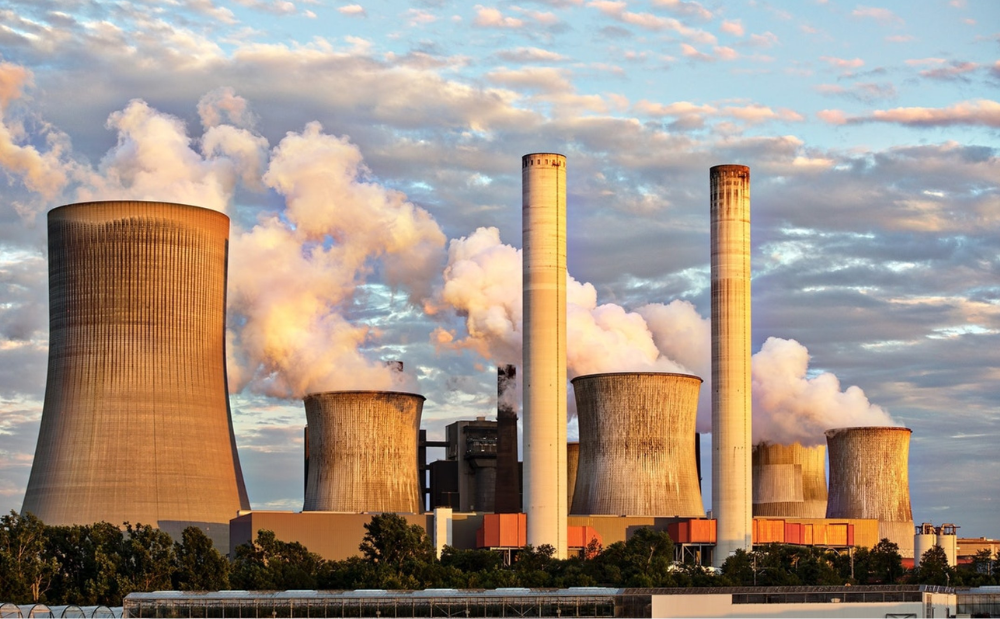
South Africa: Who Ends Up Paying If DMRE Cooks the Price of Nuclear Power?
-
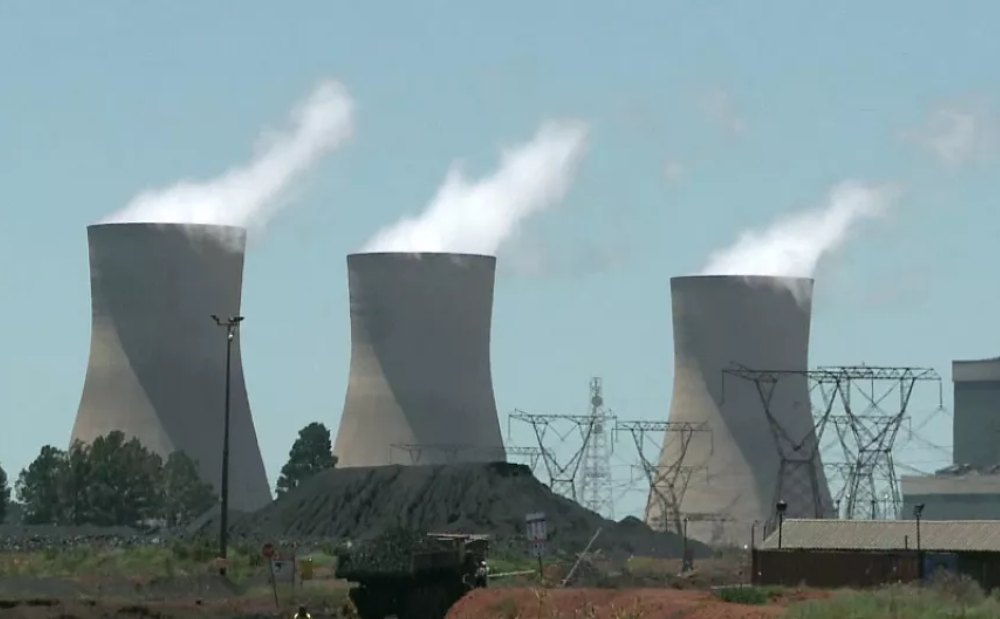
South Africa’s nuclear energy expansion plans continue to draw criticism, environmental NGOs chew over legal challenge
-
Earthlife Africa and SAFCEI respond to latest unsettling nuclear news regarding the ministerial determination
-
Open Wing Alliance Africa (Virtual) Summit 2023
-
The Green Connection and SAFCEI respond to energy minister's divisive and deflecting comments
-
Job Vacancy: FLEAT Coordinator