
Nuclear Delusions, Fiscal Nightmares: opposition mounts to new nuclear power
- Published:
The government’s plan to build another nuclear power station at Duynefontein near Koeberg evokes the hubris of Icarus. South Africa’s budget could be strained to the brink of collapse and consumers faced with higher electricity costs if this goes ahead.
For this reason the Southern African Faith Communities’ Environmental Institute (Safcei), Earthlife Africa and Greenpeace Africa launched a High Court Review against the process on 23 February.
On Wednesday 22 April 2026, more than ten civil society organisations marched to Parliament to protest the pursuit of new nuclear and “false solutions” to SA’s energy, food security and other crises.
The 26 April 2026, marks the anniversary of the legal victory against Jacob Zuma’s corrupt, secret, trillion-rand nuclear deal Safcei and Earthlife Africa won in 2017.
The new legal application aims to overturn a 2017 environmental authorisation, which started in 2007, and the appeal decision made last August. The appeal decision gave Eskom the green light for the next steps to build a 4000MW nuclear power plant at Duynefontein.
A nuclear power station is expensive, slow to build, a high-risk investment and its power supply is inflexible compared to renewable energy alternatives, experts state. Solar and wind energy combined with battery storage offer more affordable, scalable and faster solutions to South Africa’s electricity challenges and a transition to clean energy, as well as more local jobs.
New nuclear is unaffordable
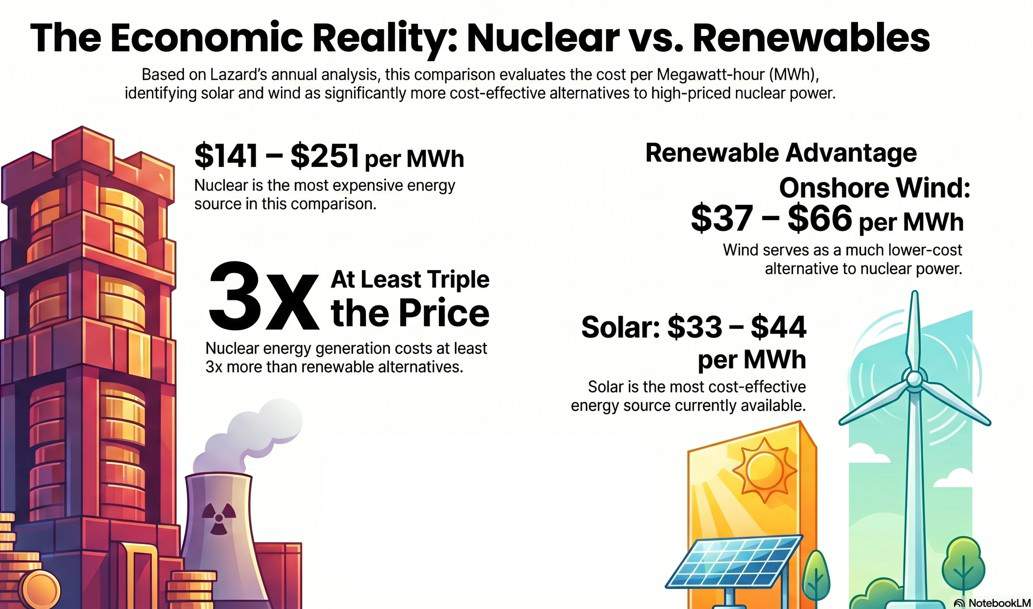
The price tag of a new nuclear power station would be hefty compared to renewables.Renewables cost roughly a tenth of what they did 10 years ago, leaving nuclear behind in its radioactive dust.
“In 2010 we had not yet seen the explosion in (storage) tech and in terms of cost renewables couldn’t hold a candle to nuclear,” said energy analyst Clyde Mallinson. “By 2017, a combination of wind, solar and storage could replicate what nuclear could offer at a lower capital cost and a lower running cost. By 2023, storage-backed renewables could beat nuclear hands down, on all fronts: it was game over.”
By 2024, Lazard’s levelised cost (the reference point comparing costs across energy technologies) for nuclear was significantly higher than onshore wind or utility solar.
The MD of Meridian Economics, Dr Grové Steyn, who submitted an affidavit in support of the environmental groups’ 2026 court application, notes that the costs of global nuclear construction costs rose by approximately 26% between 2009 and 2019, while utility-scale solar photovoltaic construction costs declined by 89% and wind energy construction costs also dropped substantially.
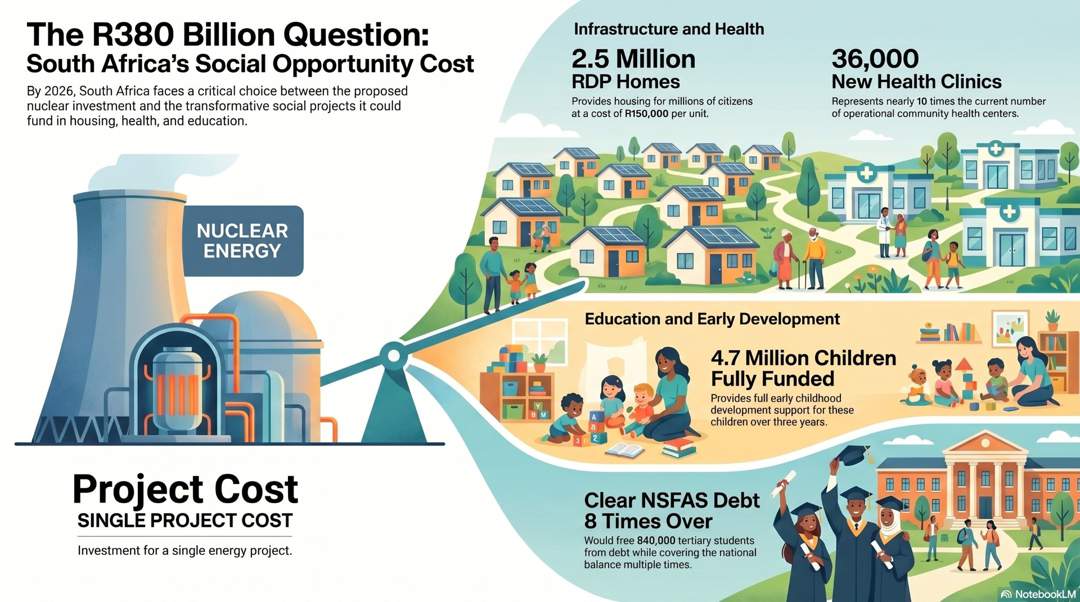
The capital costs of building nuclear power stations are cripplingly expensive. Back in 2015, the government estimated a 2500 MW nuclear power station would cost up to R167bn - based on an outdated exchange rate of R10 to one dollar.
Realistically, including owner development and financing risk costs, the total would be at least R380bn OUTA estimated then. The final total for Duynefontein - known as Nuclear-1 - could turn out to be many times higher.
Hidden costs of new nuclear
Nuclear builds move like a hobbled tortoise versus the hare of renewable installations. The tortoise cannot clear obstacles, resulting in inevitable construction overruns and delays of years or even decades. Hinkley Point C, in the UK, is only one example of this.
Vladimir Slivyak, co-chairman of the Russian environmental group Ecodefense, said: ”Nuclear is among most expensive sources of energy in case of new installations, On the side of capital costs it’s the most expensive among all sources of energy, plus running and fuel costs, plus decommissioning and waste storage.”
Nuclear cost estimates typically fail to count the cost of waste storage and decommissioning a power station – which adds about 10% to 15% of the total, in other words tens of billions more rand. To date Eskom has failed to adequately capitalise the Koeberg decommissioning fund, if at all, said Mallinson.
The storage of low- and high-level radioactive waste poses a risk to human health and ecosystems which fall within the 16km exclusion zone. This is the zone where a siren is supposed to alert people to potential radioactive hazards but, during a practice drill at Koeberg in March 2026, the silence was marked.
Slivyak said: “Of course, in case of an accident, the cost would be hard to predict. The Fukushima nuclear disaster of 2011 in Japan is expected to cost between $250billion and $600billion.”
Constructing a new nuclear power station would force South Africa into greater dependence on a foreign state for the technology and engineers, he noted.
Baseload myth busted
Despite the reasons to halt nuclear, the minister of electricity and energy, Dr Kgosientsho Ramokgopa, wants to revive this zombie technology. Last November he unveiled a R2,2 trillion Integrated Resource Plan 2025 which forecasts a major role for nuclear power.
This is necessary as ageing coal stations are phased out in the journey away from fossil fuels and new nuclear could provide at least 5200MW of “baseload” energy generation, he stated.
But, as Stellenbosch University Professor of Sustainable Development and former deputy chair of the Southern African Development Bank, Mark Swilling, explained in an affidavit, South Africa no longer needs a single, continuously operating baseload source for electricity.
What South Africa needs now is a system with “a mix of variables: renewables (wind/solar), storage (batteries/pumped hydro), and flexible backup (gas/hydro) to meet demand more effectively than inflexible nuclear plants” he stated.
The proposed Nuclear-1 (Duynefontein) build has a nameplate capacity of 4000MW, but would deliver less than this: only supplying 2850MW of firm power, operating at an average capacity factor of 89%, with no unexpected stoppages said Mallinson - noting that Koeberg has only managed an average capacity factor of 71% over current operational life.
High court review of the Nuclear-1 environmental impact assessment
The original EIA for the Nuclear-1 project looked at the best site for a nuclear power station. The Duynefontein site rated highly because it already has grid connectivity. However, said Mallinson: “The transmission grid would require major strengthening in order to be able to evacuate the equivalent of three Koebergs.”
Nuclear power stations require less land than renewable installations, its advocates state, yet typically they overlook the size of the exclusion zones and land needed for waste storage.
The storage (of radioactive waste) at Vaalputs is an interim solution and there is still no final solution for the storage of high level radioactive waste, which remains hazardous for tens of thousands of years, posing a challenge to intergenerational justice.
“The decision-makers did not conduct a proper project-specific assessment of whether constructing the proposed nuclear power station at Duynefontein was necessary or desirable,” the environmental groups noted in their latest legal challenge.
Ten years on we’re facing a zombie rerun: the government is trying to push through unnecessary and unaffordable new nuclear power without going through proper processes and Parliamentary oversight.
This article was first published by News24.
Who we are
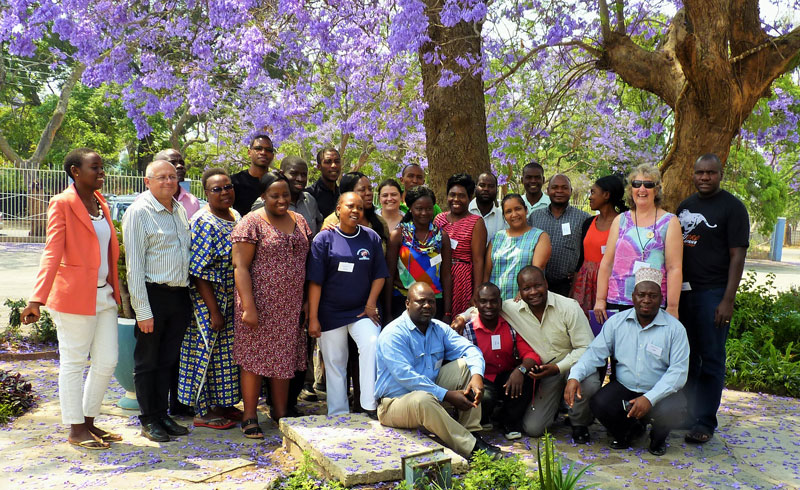
SAFCEI (Southern African Faith Communities’ Environment Institute) is a multi-faith organisation committed to supporting faith leaders and their communities in Southern Africa to increase awareness, understanding and action on eco-justice, sustainable living and climate change.
Featured Articles
-
South Africa: Who Ends Up Paying If DMRE Cooks the Price of Nuclear Power?
-
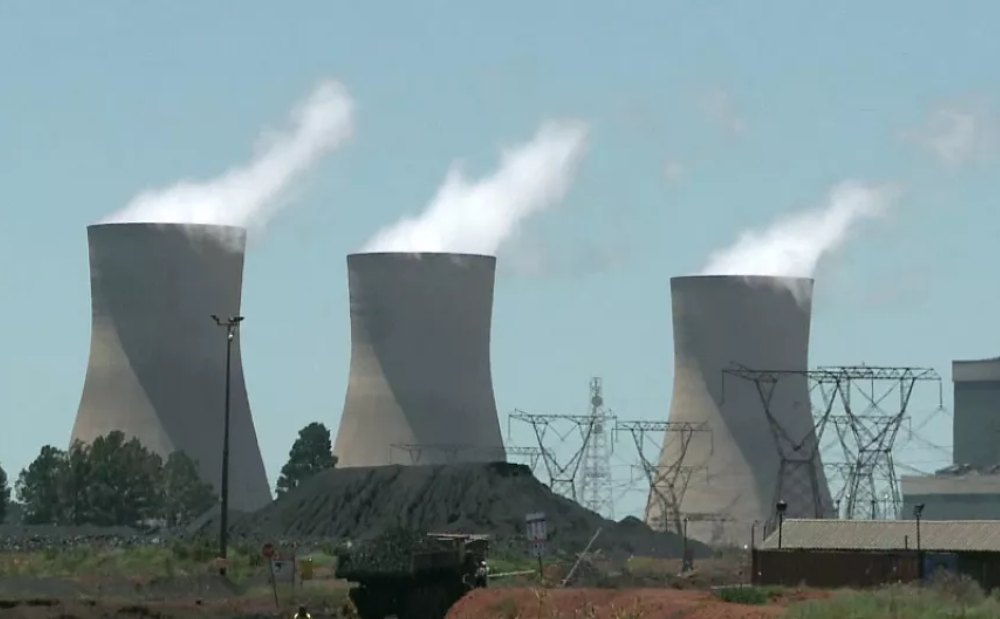
South Africa’s nuclear energy expansion plans continue to draw criticism, environmental NGOs chew over legal challenge
-
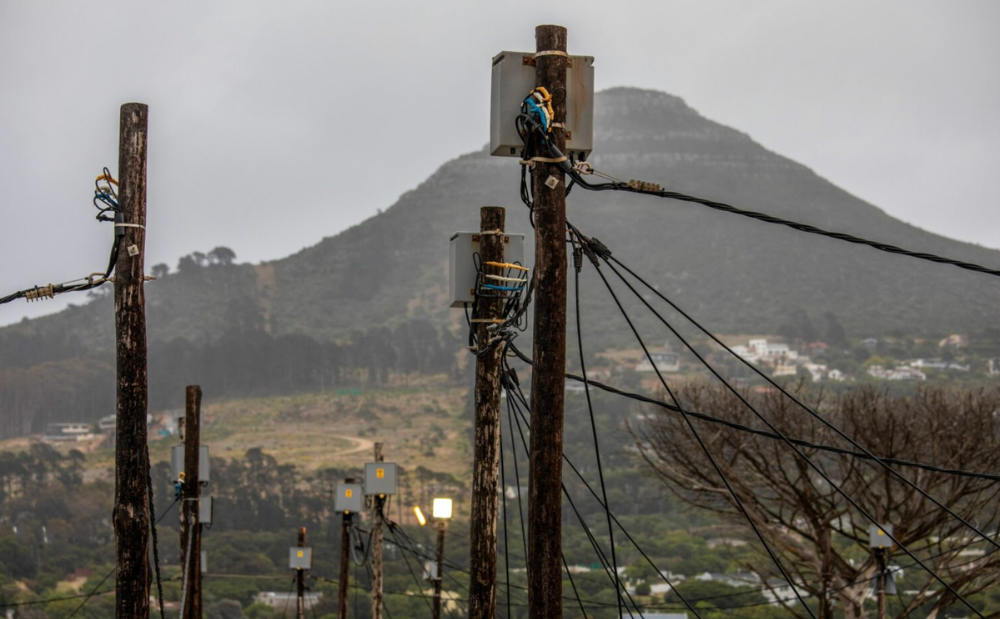
Earthlife Africa and SAFCEI respond to latest unsettling nuclear news regarding the ministerial determination
-
Open Wing Alliance Africa (Virtual) Summit 2023
-
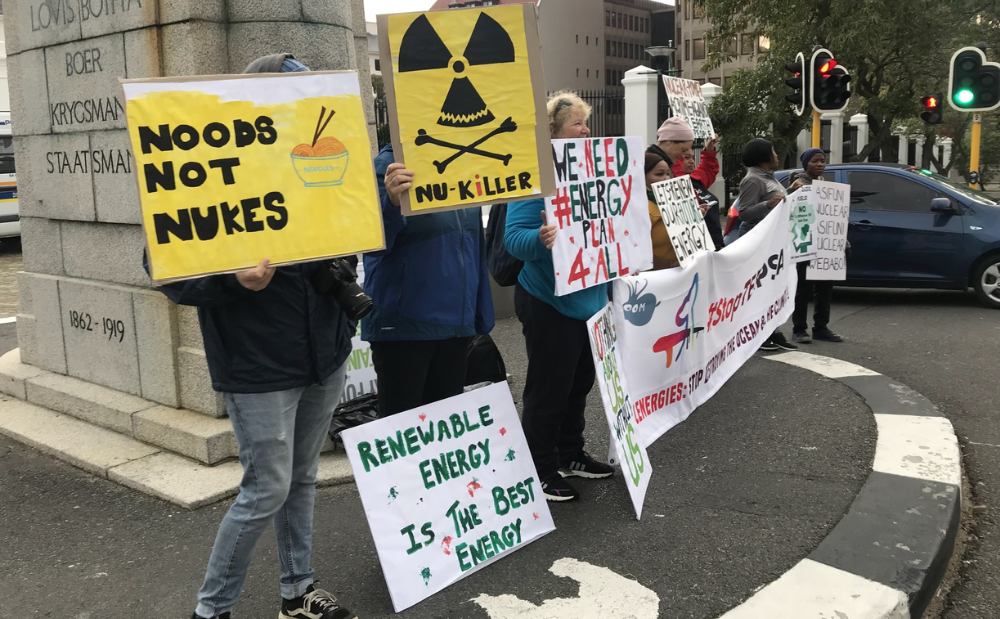
The Green Connection and SAFCEI respond to energy minister's divisive and deflecting comments
-

Job Vacancy: FLEAT Coordinator