

No Faith in False Solutions: SAFCEI Brings Faith-Rooted Alternatives to the 17th Alternative Mining Indaba
- Published:
Cape Town – The Southern African Faith Communities’ Environment Institute (SAFCEI), together with the Environmental Justice Network (EJN), African Climate Alliance (ACA), Project 90 by 2030, the Social Change Assistance Trust (SCAT), The Green Connection and the Heinrich Böll Foundation, co-hosted a dynamic World Café dialogue and campaign exhibition at the 17th Alternative Mining Indaba (AMI) on 10 February 2026, placing faith-rooted, community-led alternatives to extractive development at the centre of the just transition debate.
The side event formed part of SAFCEI’s regional No Faith in False Solutions campaign, which challenges development that perpetuates environmental harm, social exclusion, and economic injustice under the banner of a “just transition.”
“Mining and extractive industries leave communities with pollution, broken livelihoods, and exclusion from decisions that affect our lives,” said Wiedaad Davids, Saldanha Bay resident and AMI participant. “A truly just transition is one where no community is sacrificed for profit.”
The World Café created an accessible, participatory space for faith leaders, civil society organisations, youth, and community representatives to engage critically across five interconnected areas often promoted as just transition ‘solutions, namely oil and gas expansion, nuclear energy and uranium mining, critical minerals extraction, industrial agriculture, including AGRA and GMOs, and animal injustice and factory farming
“AMI is a vital platform for challenging dominant development narratives,” said Ndombizodidi Mapapu, Energy and Climate Justice Coordinator at SAFCEI. “Through the No Faith in False Solutions campaign, faith communities are naming what doesn’t work, and advocating for transitions that are ethical, inclusive, and grounded in lived experience.”
Participants' contributions were consolidated into a joint AMI 2026 No Faith in False Solutions Statement, which fed directly into the official AMI 2026 communiqué and will shape SAFCEI’s advocacy and campaigning throughout the year.
“Too often, just transition conversations stop at energy,” said Zwelisha Shobede, Cage-Free Campaign Coordinator at SAFCEI. “But justice must extend to food systems and animal welfare, particularly in industries like egg and poultry farming that cause immense harm while being framed as ‘development.’”
SAFCEI and partner organisations hosted an outdoor exhibition at St George’s Cathedral, featuring community stories from Atlantis, Doringbaai, and Saldanha alongside the discussions. The displays reflected the AMI 2026 theme, Alternative Stories of Mining, showcasing grassroots resistance and community-led alternatives rooted in dignity, care, and ecological integrity.
“For generations, the ocean has sustained our communities,” said Davids. “Extractive projects now threaten our livelihoods, our culture, and our future. Our faith teaches stewardship, to protect land and sea for generations to come.”
The concept of a just transition has expanded to encompass social, food, and environmental justice. SAFCEI argues that this expanded vision must be reclaimed from profit-driven models that reproduce harm.
“History shows that oil and gas revenues in Africa rarely benefit local communities,” said Lisa Makaula, Advocacy and Programmes Lead at The Green Connection. “Yet those same communities carry the environmental and social costs. Local economic development and adaptation must come first.”
Through its presence at AMI 2026, SAFCEI reaffirmed its call for a transition that moves away from fossil fuels, uranium mining, industrial agriculture, and factory farming, and towards regenerative systems that centre people, protect ecosystems, and honour the interconnectedness of all life.
Who we are
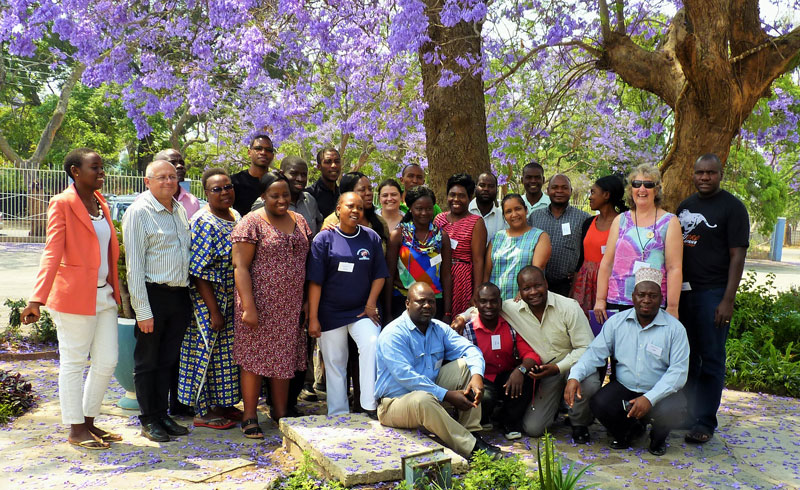
SAFCEI (Southern African Faith Communities’ Environment Institute) is a multi-faith organisation committed to supporting faith leaders and their communities in Southern Africa to increase awareness, understanding and action on eco-justice, sustainable living and climate change.
Featured Articles
-
South Africa: Who Ends Up Paying If DMRE Cooks the Price of Nuclear Power?
-
South Africa’s nuclear energy expansion plans continue to draw criticism, environmental NGOs chew over legal challenge
-
Earthlife Africa and SAFCEI respond to latest unsettling nuclear news regarding the ministerial determination
-
Open Wing Alliance Africa (Virtual) Summit 2023
-
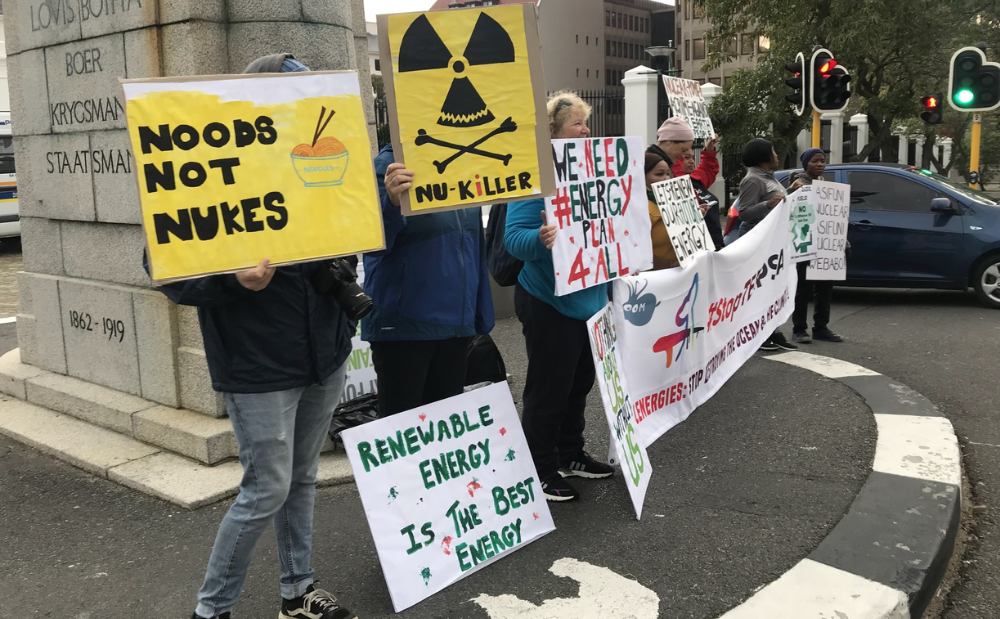
The Green Connection and SAFCEI respond to energy minister's divisive and deflecting comments
-
Job Vacancy: FLEAT Coordinator