
Civil Society Organisations Reject NERSA Decision to Allow Eskom to Recover R54.7 Billion from Consumers
- Published:
Following the announcement from the National Energy Regulator of South Africa(NERSA) that they will allow Eskom to recover R54.7 billion from electricity users over the next three years, civil society, faith-based, and youth organisations say enough is enough, and call for the Minister of Electricity and Energy to review the electricity pricing policy.
“NERSA is bound by the environmental obligations set out in section 2 of the National Environmental Management Act (NEMA),” says Lisa Makaula, Advocacy and Programmes Lead at The Green Connection. “These principles require that social, economic, and environmental impacts are properly considered, that decisions are taken openly, and that access to information is guaranteed. These are not optional extras – they are legal obligations. Eskom’s attempt to recover revenue shortfalls should not be passed to already struggling communities.”
In the statement issued on Sunday, 08 February 2026, NERSA confirmed that Eskom will be permitted to increase the cost of electricity by as much as 8.3% a year through the 2028 financial year. This is despite the fact that it was initially agreed that tariff increases were set for 5.4% and 6.2% over 2026/27 and 2027/28 years, respectively.
“I find myself at a loss for words,” says Snako Msi, youth spokesperson for Project 90 by 2030. “I am beyond frustrated that, because of greed and a miscalculation, we the people must carry the cost to make up for the mistakes of Eskom. With no consideration for what people have to say or how they will navigate the cost, we are left to pay more. Have we not paid enough!” she continued.
The current electricity crisis we find ourselves in as a country has continued to get worse; in the last two decades alone, average electricity tariffs have gone up approximately 190% since 2014 according to sources. Access to affordable and reliable electricity is not only a driver of economic growth but also a cornerstone of social equity and human development. The current cost-reflective pricing model is not viable; it places a disproportionate burden on low- and middle-income households.
“South Africans vehemently oppose paying for NERSA’s R54 billion tariff calculation blunder. The impact of ESKOM’s poor financial management will be tremendously felt by customers over the coming years. Unsurprisingly, the cost of Eskom’s debt servicing is once again left to the consumer. This will lead to high levels of unaffordability and inaccessibility of electricity. People are being left to pay more and more each year. While the government keeps advocating for false solutions to our energy cost crisis. The Minister must tell us how he is working to address this injustice. We cannot continue down this trajectory.” Says Ntombizodidi Mapapu, from SAFCEI, the Southern African Faith Communities’ Environment Institute.
“Allowing Eskom to recover R54.7 billion from consumers ignores the unsustainable trajectory of electricity costs, which have already outpaced inflation significantly over the last two decades. Says Sibusiso Mazomba, African Climate Alliance, Advocacy Coordinator. “For the youth, this isn't just about a tariff hike; it’s about the erosion of our future economic viability. We are calling for a fundamental review of the pricing policy to ensure that decisions made today do not further plunge the country into energy poverty or stifle the development of the next generation.”
We call on Electricity and Energy Minister Kgosientsho Ramokgopa to intervene. We believe that a change in our electricity policy to support people and the planet is fully in alignment with both our National Constitution and subsequent national development goals. People in South Africa deserve clean, safe, and affordable electricity. We reject the decisions made that further entrench people into poverty, and demand an electricity system that benefits all people.
---
Open letter sent to Electricity and Energy Minister:
About the organisations:
Project 90 by 2030 is a social and environmental justice organisation inspiring and mobilising South African society towards a sustainably developed and equitable low-carbon future.
The Green Connection is a registered non-governmental organisation that believes economic growth and development, improvement of socio-economic status and conservation of natural resources can only take place within a commonly understood framework of sustainable development.
Southern African Faith Communities Environment Institute is a multi-faith environmental justice organisation that actively supports faith leaders and their communities to take action for a just and sustainable future.
African Climate Alliance is a youth-led, movement-based, grassroots organisation acting and advocating for Afrocentric climate justice.
Who we are
SAFCEI (Southern African Faith Communities’ Environment Institute) is a multi-faith organisation committed to supporting faith leaders and their communities in Southern Africa to increase awareness, understanding and action on eco-justice, sustainable living and climate change.
Featured Articles
-
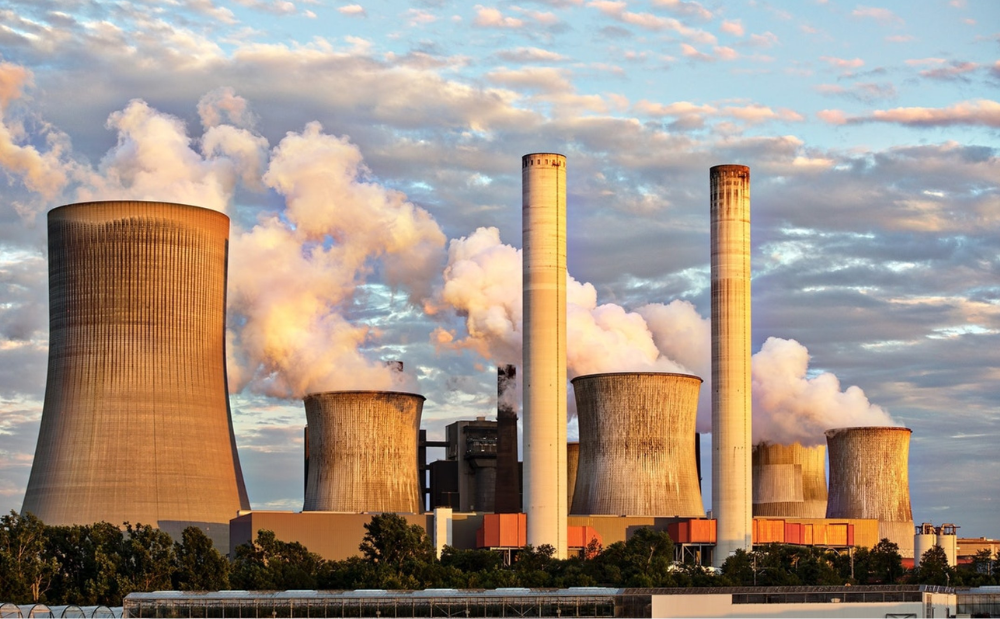
South Africa: Who Ends Up Paying If DMRE Cooks the Price of Nuclear Power?
-
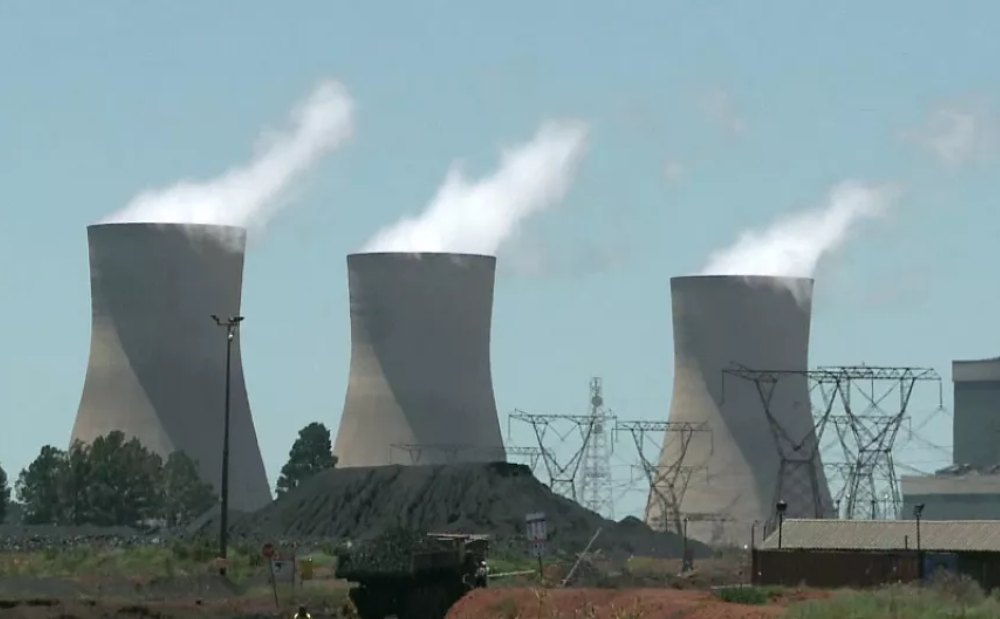
South Africa’s nuclear energy expansion plans continue to draw criticism, environmental NGOs chew over legal challenge
-
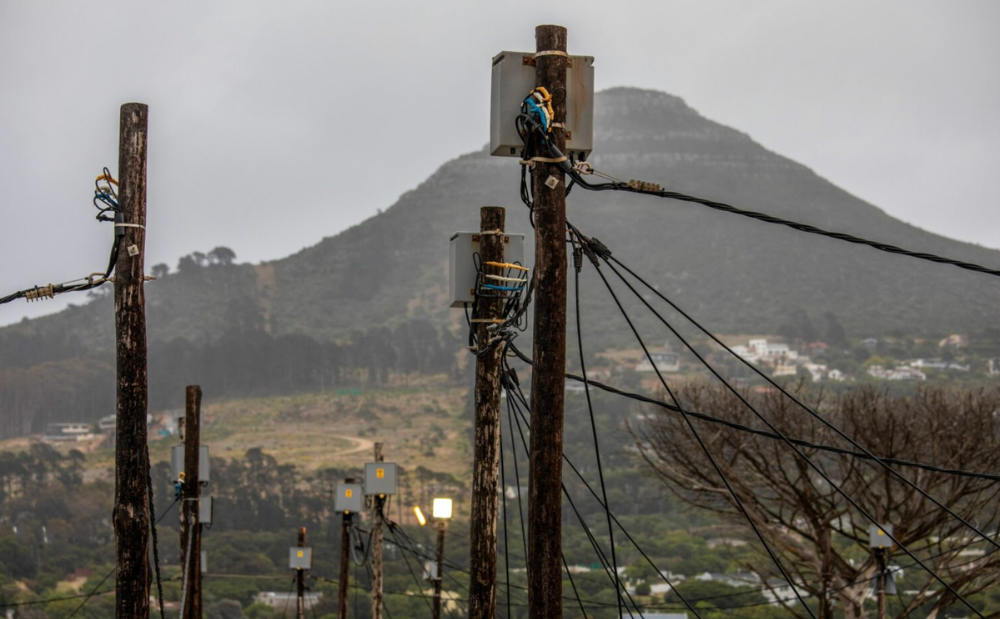
Earthlife Africa and SAFCEI respond to latest unsettling nuclear news regarding the ministerial determination
-
Open Wing Alliance Africa (Virtual) Summit 2023
-
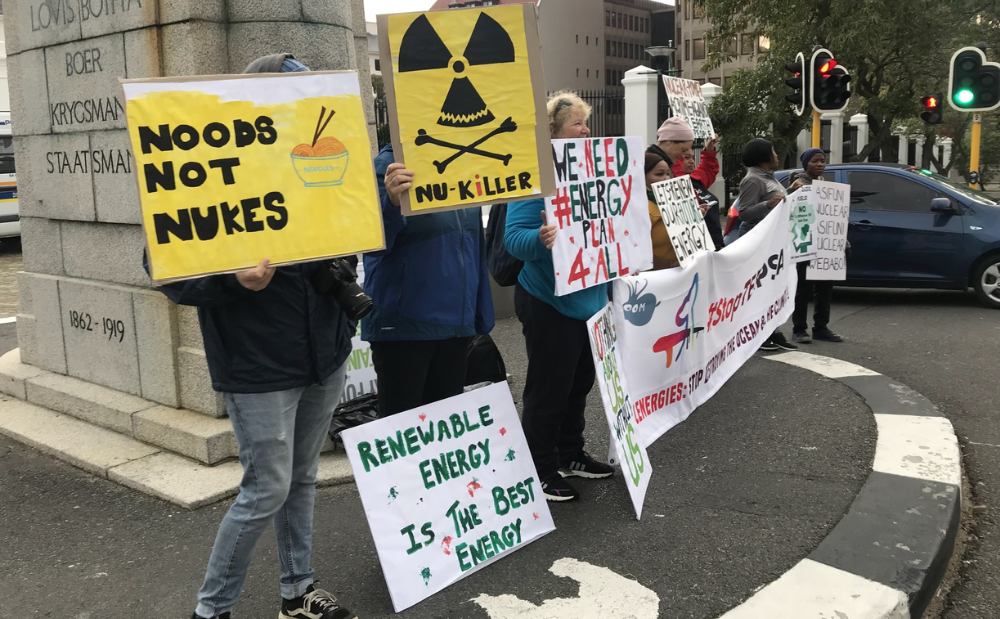
The Green Connection and SAFCEI respond to energy minister's divisive and deflecting comments
-
Job Vacancy: FLEAT Coordinator